
Comfortable gathering, play, and learning environments for high-use public spaces.
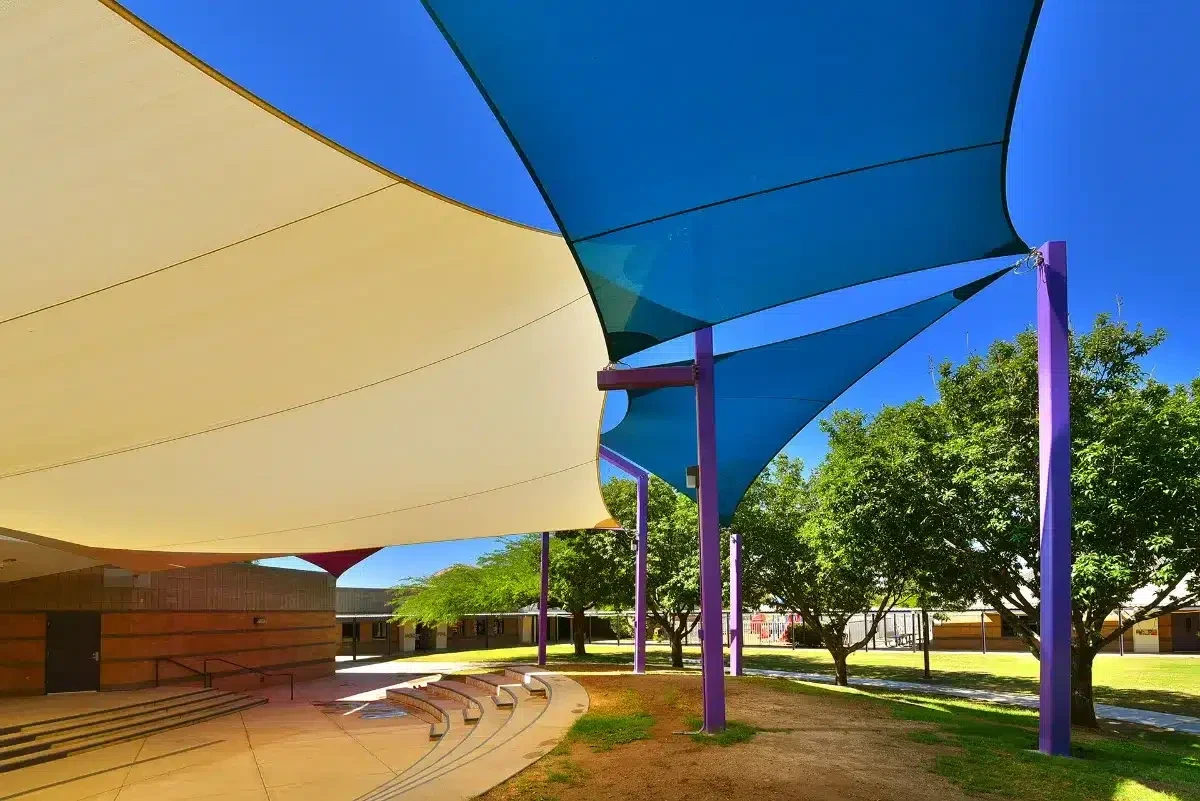
Commercial shade structures across Arizona
Site-specific shade sails and architectural structures for schools, hospitality venues, parks, parking areas, and commercial properties.
Arizona · Tensile shade
A structure, not an afterthought
Start with the space people actually occupy and the hours they need shade. A school courtyard, an afternoon patio and a vehicle bay need different coverage, supports and access.
See the site-first approach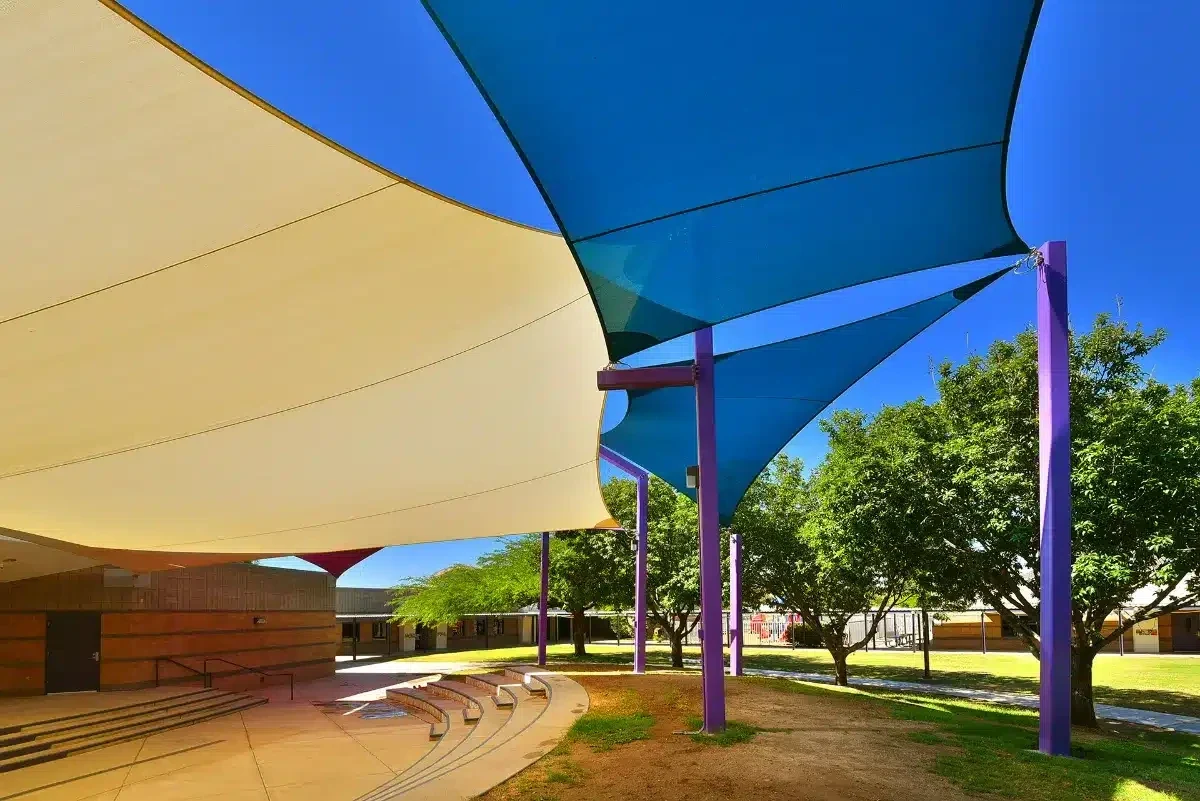
Geometry, material, scale, circulation, and the way people use the space.
The right work for the property
SHADE Industries’ service scope includes custom design and installation, replacement sails, repairs and suitable existing-structure improvements.
Site-specific coverage, coordinated supports and fabric, engineering/permit responsibilities, fabrication and installation.
02 / Existing sailsAssess the old panel and supporting system, measure the intended fit, and define removal, hardware and reinstatement.
03 / Better performanceReview fabric damage, recurring sagging or shade that misses its target before deciding whether to repair, replace or modify.
Plan the right scope
SHADE Industries publishes typical shade-sail project starting budgets around $15,000-$20,000. Your estimate depends on the structure and site work; repairs, replacement fabric and supply-only requests are assessed separately.
Explore the design, supply and installation optionsApplications
Each setting asks something different of the structure. Coverage, movement, visibility, and visual presence all begin with how the property needs to work.
Comfortable gathering, play, and learning environments for high-use public spaces.
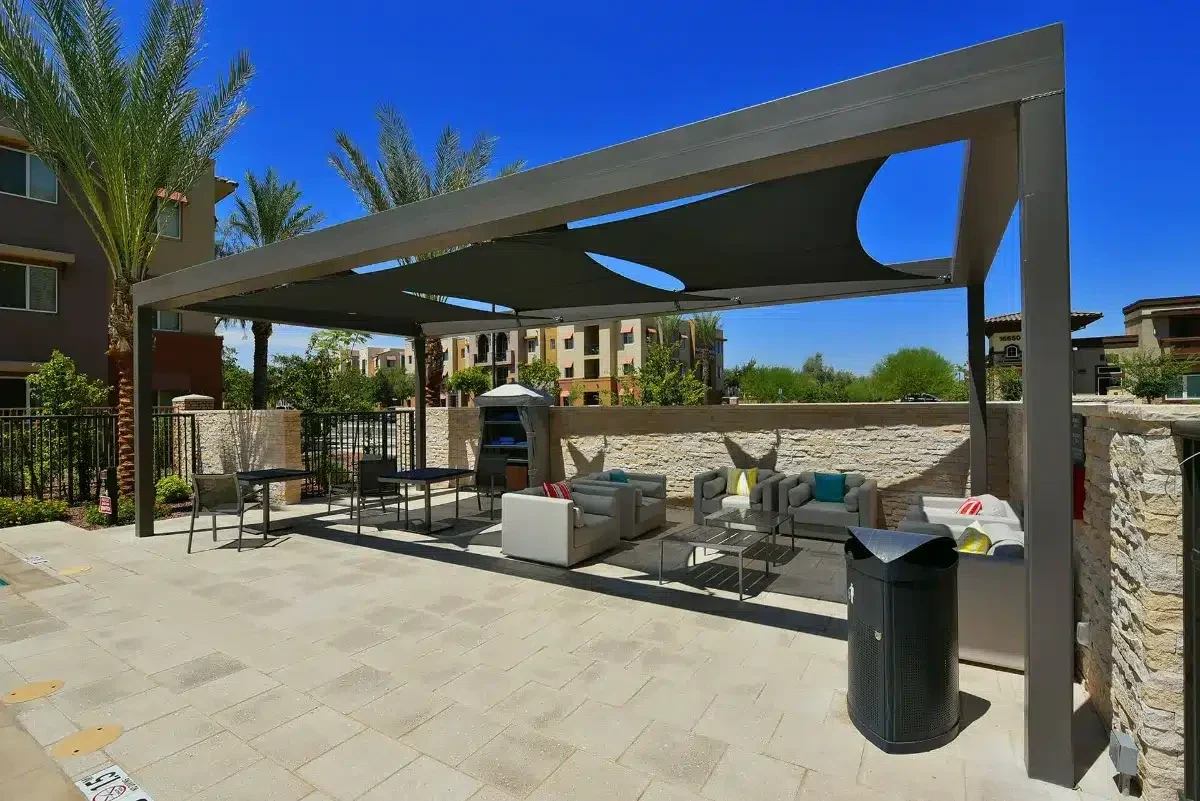
Distinctive shade for pools, resorts, golf properties, and guest-facing outdoor spaces.
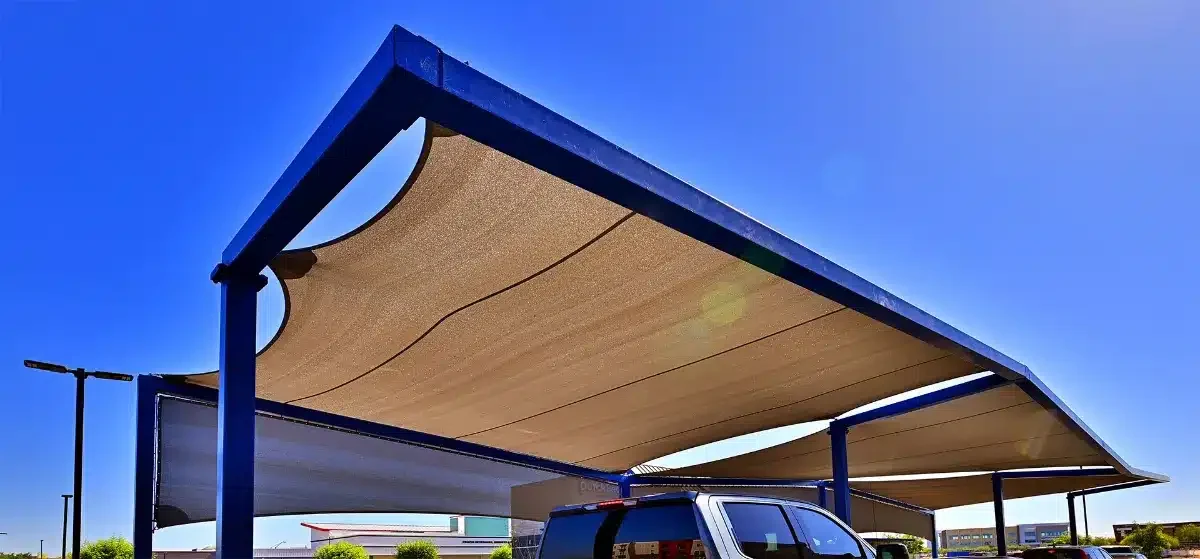
Purposeful coverage for parking areas, arrival zones, and pedestrian connections.
Outdoor spaces that support people, reinforce the property, and look considered.
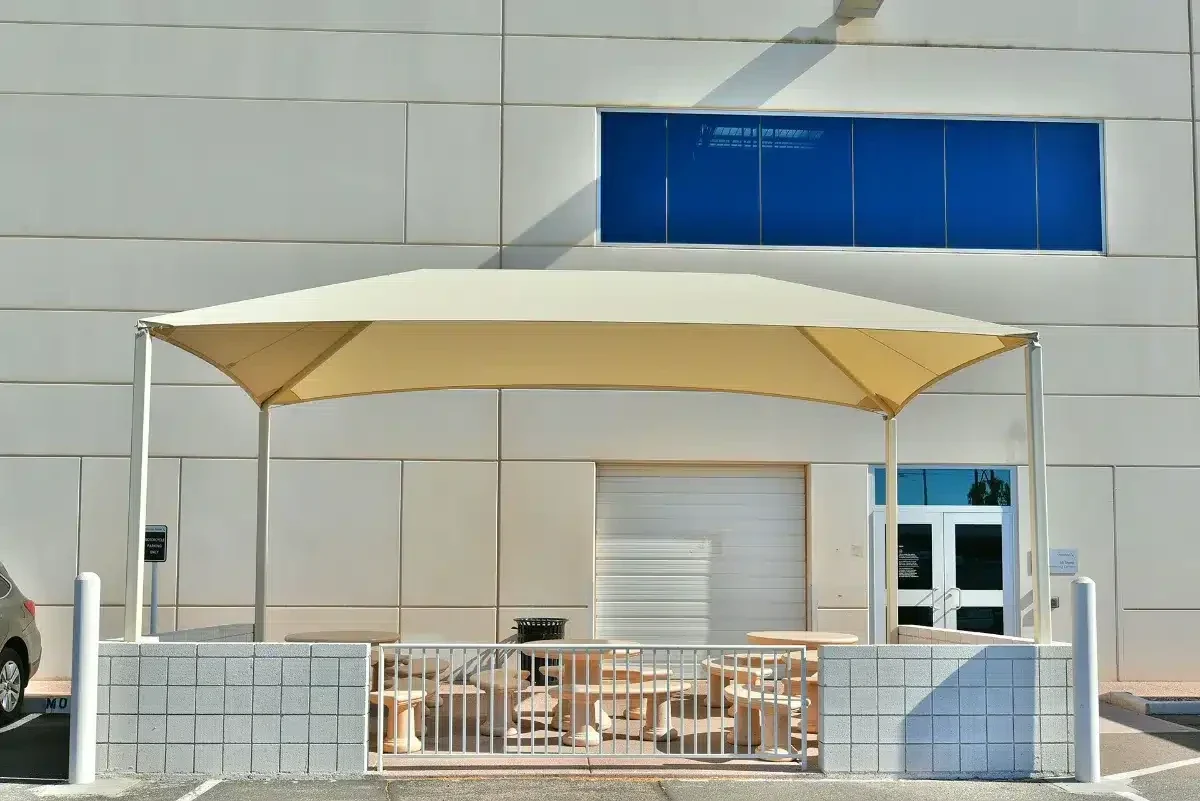
Built around the conditions
Sun exposure, circulation, coverage priorities, material direction, and the visual relationship to the property shape the conversation before installation begins.
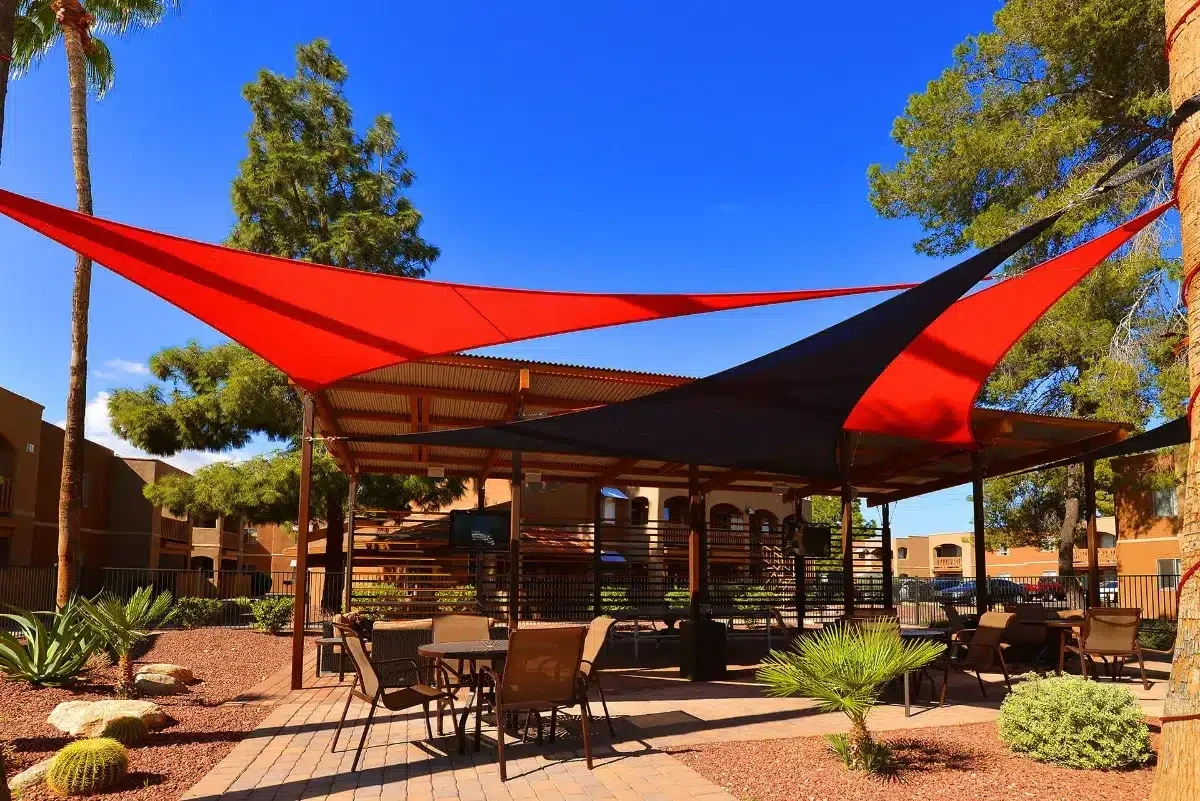
Fabric, connections, posts and foundations work together. The proposal should resolve the actual site and selected products, not just the shape of the sail.
Porous HDPE allows airflow and water passage. A waterproof brief needs an appropriate fabric, geometry and drainage plan.
Review connection suitability, feasible foundations, utilities and access. An available wall or fence is not automatically a safe anchor.
Confirm selected material data, engineering/approval responsibilities and separate fabric and workmanship warranty terms.
A clear project path
Every project is different, but the path should be understandable. The early work defines the site need before the project moves into contracting and installation.
Share the property, occupied area and hours. Site-specific shade studies can evaluate where the shade will fall.
Agree the structure, fabric, supports, drawings and permit responsibilities before fabrication and site work.
Coordinate access, construction and reinstatement. Obtain the selected material, care and written warranty information.
Selected installations
Real Arizona installations across workplaces, commercial amenities, recreation, education, hospitality, and community settings.
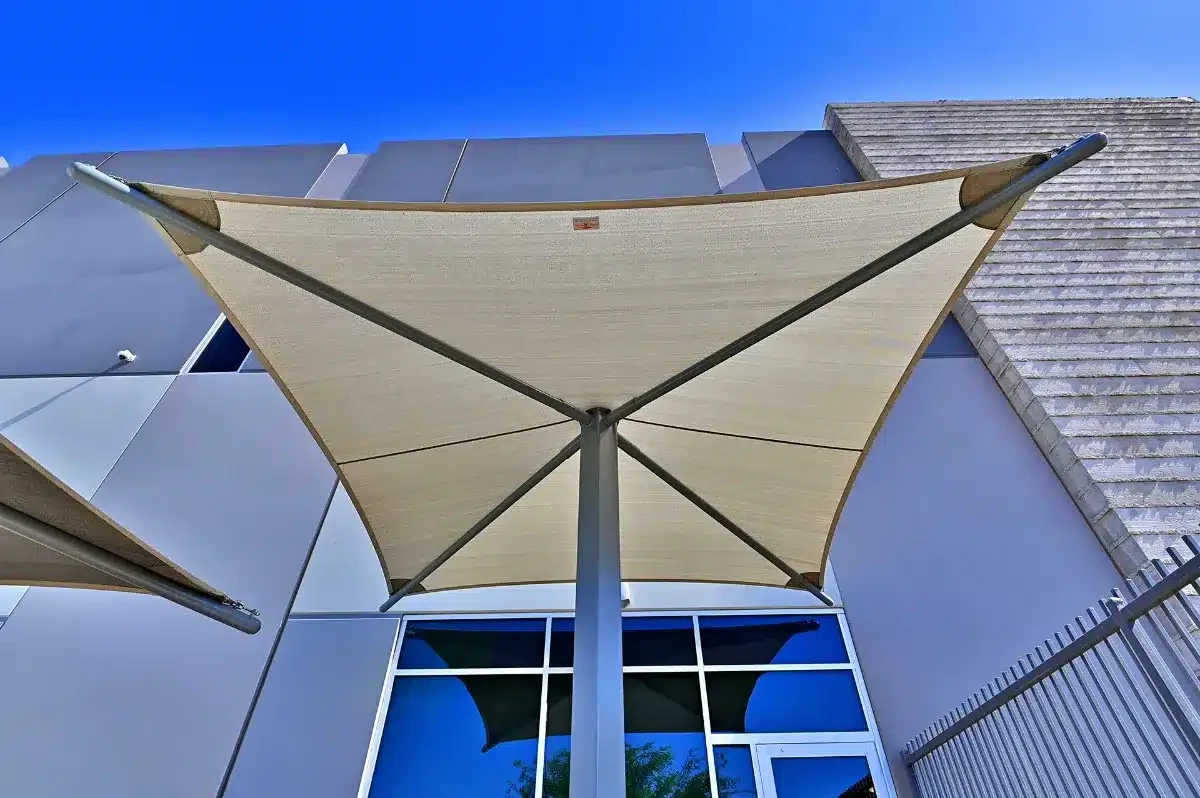
Commercial workplace
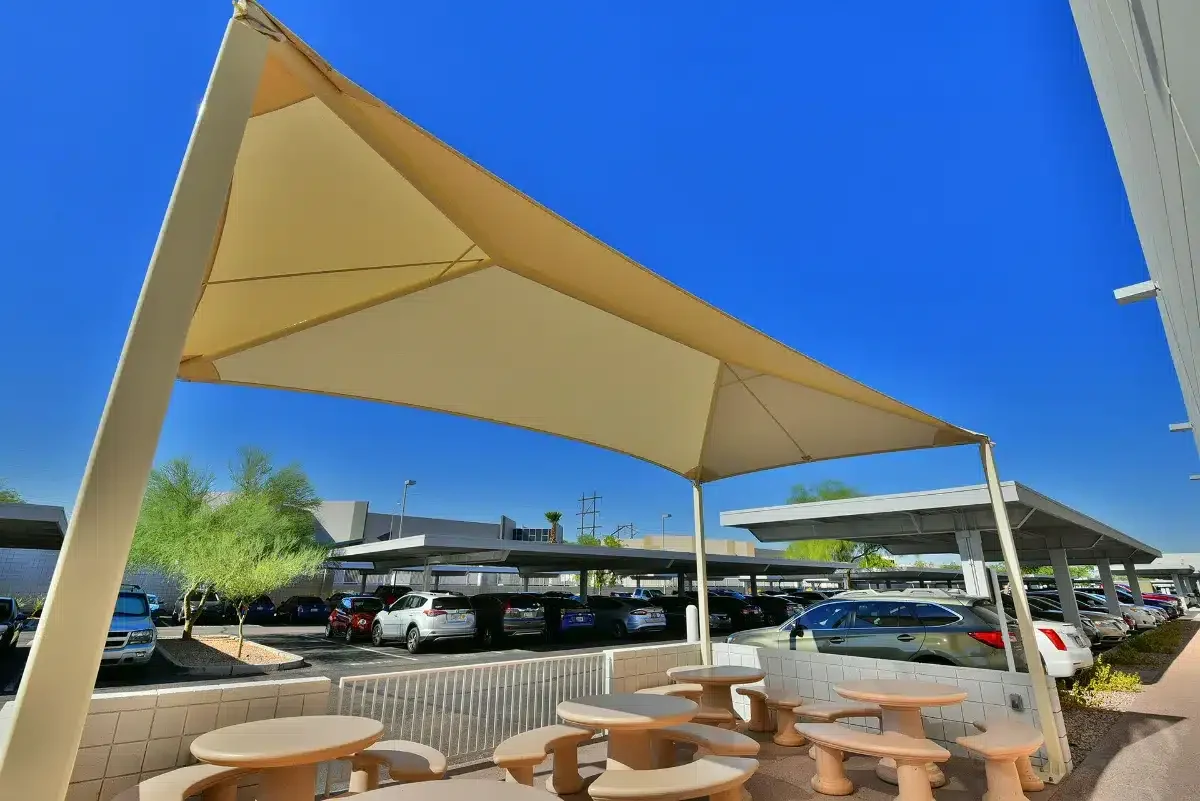
Commercial amenity
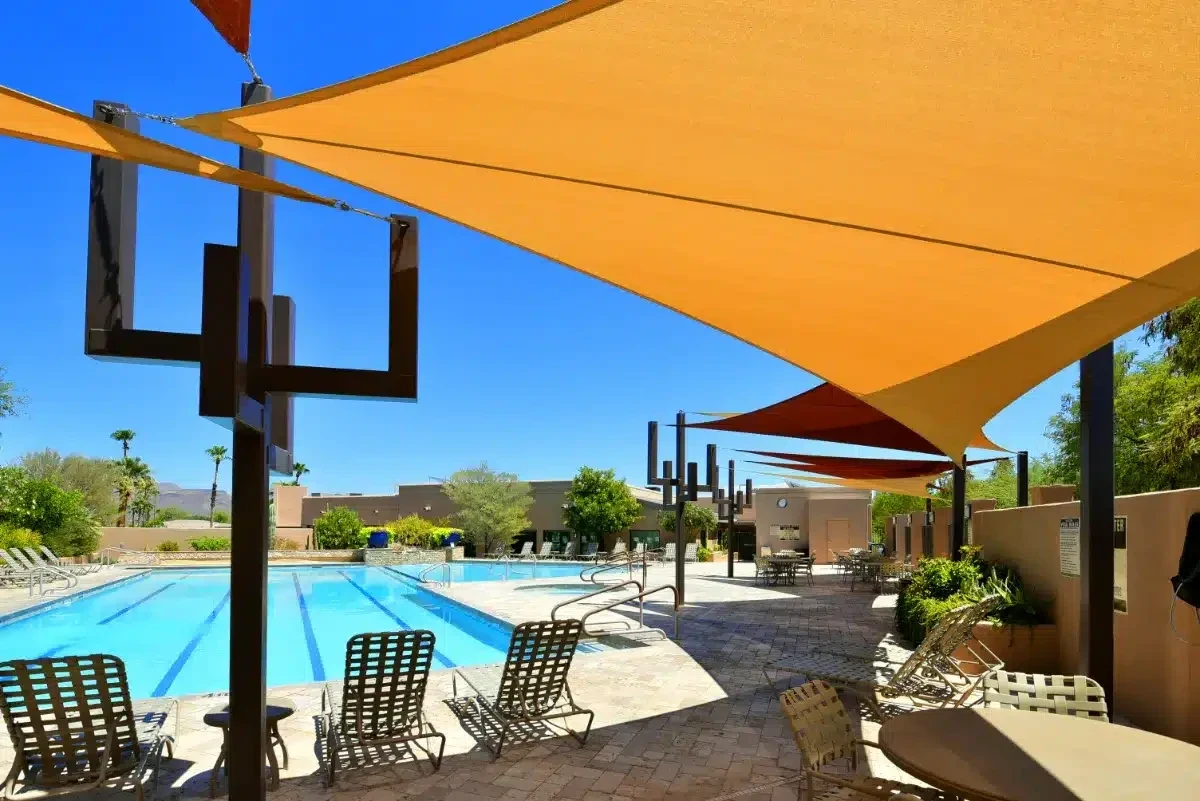
Aquatic recreation
Before the first conversation
Ordinary porous HDPE allows airflow and water passage. Selected waterproof fabrics need a suitable designed assembly, including geometry and drainage. Do not treat all shade cloth as a waterproof roof.
The cost depends on the complete scope: coverage, fabric, steel, foundations, site access, engineering, approvals and installation. Ask for a property-specific proposal; a property-specific proposal should identify the included work.
The cause and extent of damage matter. Localized seam/panel damage may be repairable; deteriorated fabric or recurring problems can warrant replacement or structural improvement.
SHADE Industries publishes engineering and permit coordination. Confirm the actual deliverables, authority and responsibilities in your project proposal.
Design decisions, approvals, fabrication, access and material availability affect the schedule. Confirm a project-specific program rather than relying on a generic timeframe.
Not automatically. UV degradation, manufacturing defects and installation workmanship can have different written terms. Request the terms for the selected fabric and installed scope.